A series of devastating wildfires across several European countries continues to have a huge impact on the outdoor tourism industry, with countless campsites forced to evacuate for safety reasons.
In France, around 45 campsites in Gironde and Landes have been ordered to evacuate by local authorities, according to the country’s Fédération Nationale de l’Hôtellerie de Plein Air (FNHPA). This figure represents a combined accommodation capacity of around 40,000 people during what is traditionally the busiest time of year for such businesses.
Hugely popular campsites including Camping La Grigne, Fontaine Vieille, and Lac Biscarrosse are among those to be subject to evacuation orders.
The FNHPA has launched a solidarity initiative whereby it is asking operators that still have available pitches or rental accommodation to make this capacity available to tourists whose holidays have been disrupted by the evacuations.
The initiative will operate until Saturday 1 August. Available accommodation will be communicated to the affected campsites, allowing them to redirect customers towards alternative properties.
In Spain, campsites have faced similar evacuations thanks to fires around Madrid and in the province of Ávila – authorities ordered the evacuation of a large campsite in the El Escorial area, involving several thousand holidaymakers.
Italy too has seen forest fires this past few weeks, with Molise and the Gargano peninsula in Puglia said to be affected. Tourists have been evacuated from campsites and establishments in Campomarino Lido in Molise, among others.
The United Kingdom has also not been immune to the danger of large fires, as a huge one has been burning in the Cairngorms National Park in Scotland for around a week.
Glenmore Campsite on Loch Morlich was forced to evacuate on 16 July and remains closed for bookings until further notice, with day-by-day updates being given by authorities.
This is a rapidly evolving situation – all information correct to the best of the publisher’s knowledge as of 29/07/2026. Please check with local authorities for the most up-to-date information.
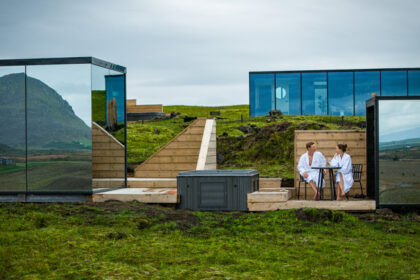
Photo by Emma Renly on Unsplash